Life has its own life.
Identifying a species is only a beginning. We ask how it feeds, calls, and lives with its habitat and neighbors. We keep our distance and respect animal welfare.
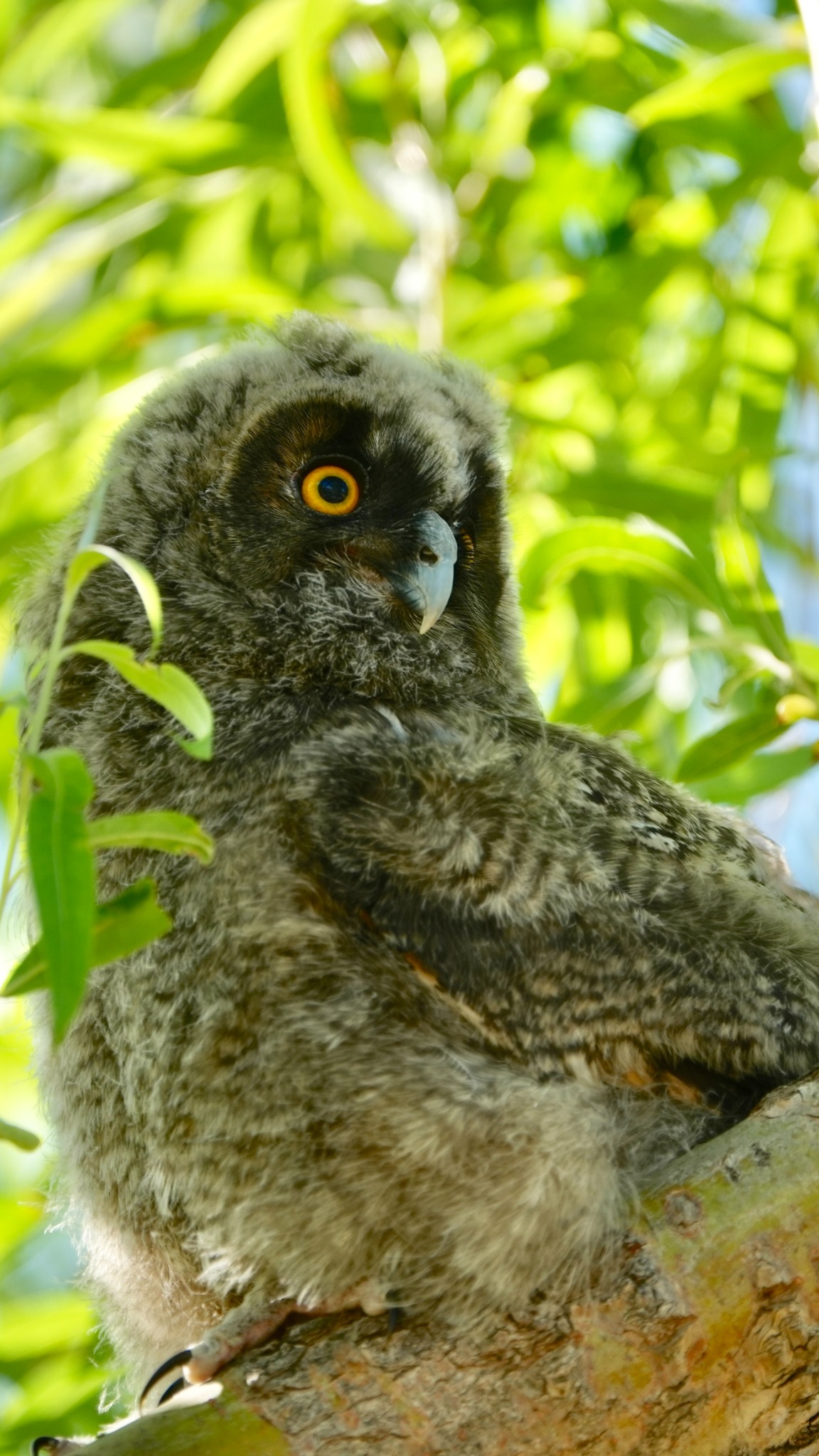
About Beijing Owl
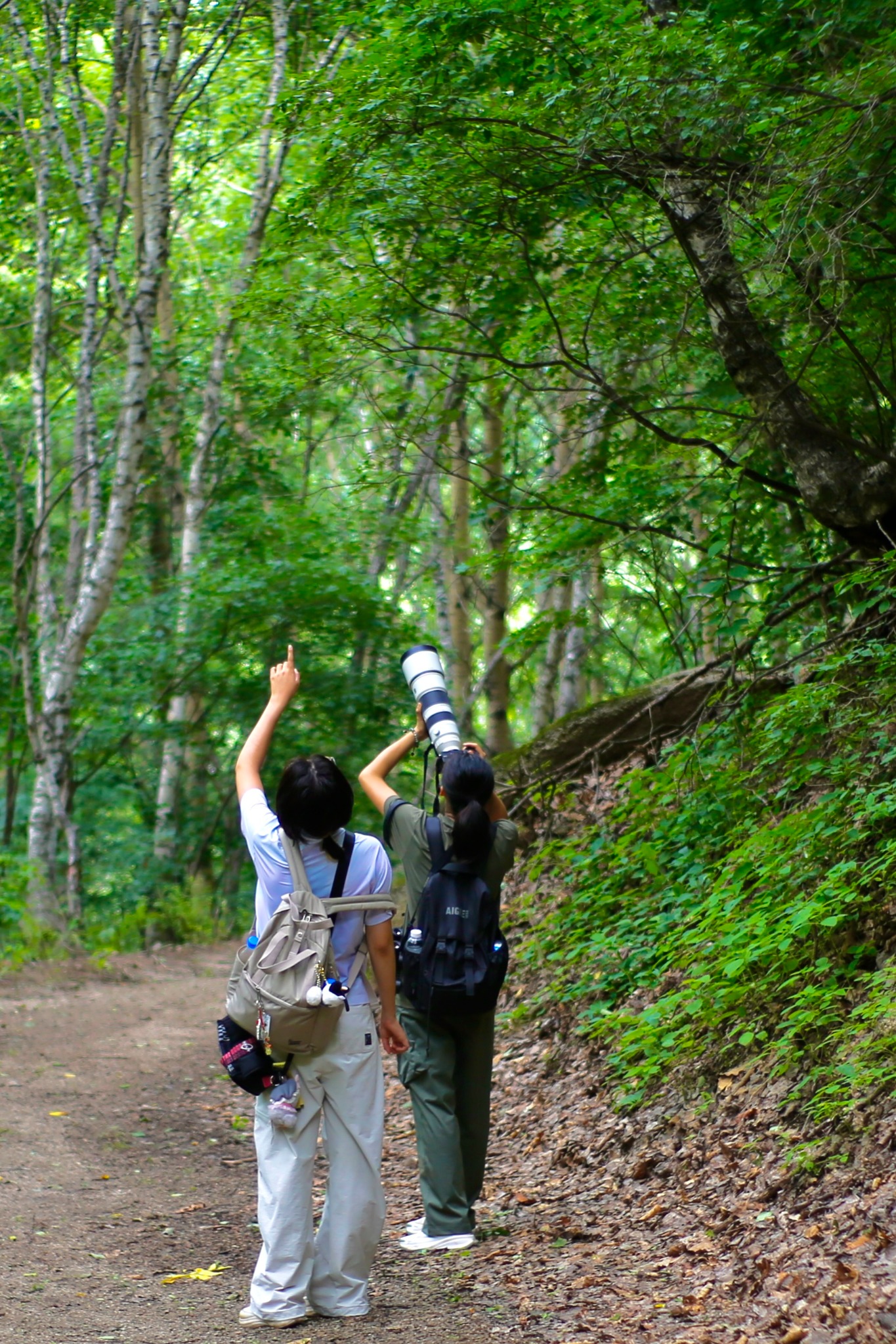
In 2024, we set out with companions from different schools to look for owls in Beijing. At our first group activity at Shahe Reservoir, the owl did not appear. We stopped instead for a Siberian Rubythroat, small birds in the reeds, and insects at our feet. We continued this natural-history exploration, and gradually moved beyond birdwatching.
Our observations expanded to insects, amphibians and reptiles, mammals, and plants. We sort infrared-camera images in the mountains near Beijing, visit Labagoumen Forest villages to listen to people living with leopard cats, and bring individual field learning from Nyanpo Yutse into a shared conversation.
City parks and mountain forests are our field sites. Reading, interviews, writing, children’s nature exploration, and making allow questions to keep growing after fieldwork. Beijing Owl is student-led, nonprofit, and independent of study-abroad agencies.
Our ideas
Identifying a species is only a beginning. We ask how it feeds, calls, and lives with its habitat and neighbors. We keep our distance and respect animal welfare.
A leopard cat can be exciting in an image and a real loss in a farmer’s chicken coop. Conservation must listen to these situations.
Some people know birds, some insects, some interviews, writing, or design. Beginners have a voice too.
From recognition and connection to action and cooperation. “Know · Care · Act” is inspired by the Nyanpo Yutse Ecological Conservation Association. We carry it forward into biodiversity conservation in Beijing.
Beijing Owl brings field observation, disciplinary learning, social and cultural exploration, and public expression together. A question may begin with an animal in an infrared-camera image and lead to a villager’s account, the structure of a fence, and public policy. It may begin with a Kozlov’s Bunting and lead to a thangka and local conservation practice.
Group activities and individual learning support each other. The website keeps selected cases and works; our WeChat public account continues to record everyday activities.